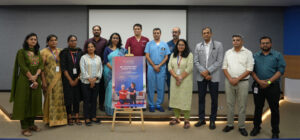
From IVF Innovation to Personalised Fertility Care: Dr. Hrishikesh Pai on the Future of Reproductive Medicine in India

In an exclusive interview with Dr. Hrishikesh Pai, veteran fertility specialist and healthcare leader, explores how India’s reproductive medicine landscape has evolved over the past four decades and how emerging technologies are reshaping fertility care.
From advanced IVF and embryo assessment to Artificial Intelligence, fertility preservation and greater accessibility, Dr. Pai shares his perspective on the opportunities and challenges shaping the next phase of reproductive healthcare in India.
Q1. After more than four decades in fertility care, how has the IVF landscape in India changed, and what are the biggest shifts you have witnessed?
Dr. Hrishikesh Pai: The IVF landscape in India has transformed significantly over the last four decades. We have moved from relatively limited assisted reproductive technologies to a much more sophisticated ecosystem involving advanced embryology, genetic testing, cryopreservation, time-lapse imaging and artificial intelligence. The focus has also shifted from simply achieving pregnancy to improving the quality and safety of fertility care. Today, patients are more informed and expect personalised treatment plans based on their individual reproductive health, age, medical history and fertility potential. The next phase of growth will be driven by technology, evidence-based medicine and greater accessibility, so that advanced fertility care reaches more couples across India.
Q2. Technology is playing an increasingly important role in fertility treatment. How do you see Artificial Intelligence changing IVF and reproductive medicine?
Dr. Hrishikesh Pai: Artificial Intelligence has the potential to become an important clinical support tool in reproductive medicine. It can help analyse large volumes of embryology and clinical data and assist specialists in identifying patterns that may not always be easy to detect manually. At Bloom IVF, we have been exploring and adopting AI-based technologies in areas such as embryo assessment. However, technology should complement, not replace, the expertise and judgement of a fertility specialist and embryologist. The real value of AI will come from combining technological precision with clinical experience and personalised patient care.
Q3. Infertility is increasingly being discussed as a public health and social issue. What should India be doing to make fertility care more accessible and equitable?
Dr. Hrishikesh Pai: Accessibility has to become an important part of the fertility conversation. Advanced reproductive medicine should not remain limited to people living in major metropolitan cities or those who can easily afford specialised treatment. We need greater awareness, stronger healthcare infrastructure, trained professionals and responsible use of technology. Alongside this, preventive reproductive healthcare and early diagnosis are equally important. My experience through professional and public-health initiatives has reinforced the importance of strengthening healthcare systems at the grassroots level. We must work towards a model where quality fertility care is available to a wider section of society.
Q4. With delayed marriages and changing lifestyles, fertility preservation is becoming increasingly relevant. What advice would you give to young people about reproductive health?
Dr. Hrishikesh Pai: People today have greater control over their education, careers and personal choices, but reproductive health should not be overlooked while making long-term plans. Fertility is influenced by age and several medical and lifestyle factors, and individuals should understand their own reproductive health rather than relying on assumptions or social media information. Fertility preservation, including egg or sperm freezing in appropriate cases, can be considered after a proper medical consultation. The larger message is that reproductive health should be treated as an integral part of overall health, with timely awareness and informed decision-making.
Q5. Looking ahead, what will define the future of fertility care in India over the next decade?
Dr. Hrishikesh Pai: I believe the future will be defined by personalised medicine, artificial intelligence, precision embryology, fertility preservation, genetics and greater integration of clinical data. We will increasingly move towards treatment strategies that are tailored to the individual rather than following a one-size-fits-all approach. At the same time, the human element will remain extremely important. Fertility treatment is not just a medical procedure; it is an emotional journey for couples. The future of fertility care therefore has to combine scientific innovation with empathy, ethical practice and accessibility. India has the talent and medical expertise to become a strong global centre for advanced reproductive medicine, provided we continue investing in research, training and responsible innovation.
About Author